


Fast Facts on Clean Energy
Clean energy delivers reliable power to millions of homes and businesses. It also supports over one million jobs nationwide, 9% of which are military veterans. Clean energy makes America stronger and safer.
Here’s What You Should Know About America’s Clean Energy Reality:

Wind is the nation’s largest source of clean, renewable power.
It produces roughly 10% of U.S. electricity, or enough to power almost 50 million homes.
- Wind turbine technician is the fastest growing job in America.
- Modern turbines are active. They generate power over 90% of the year. while costs dropped more than 30% from 2015–2024.
- The cost of wind energy has gone down by more than 30% since 2015.
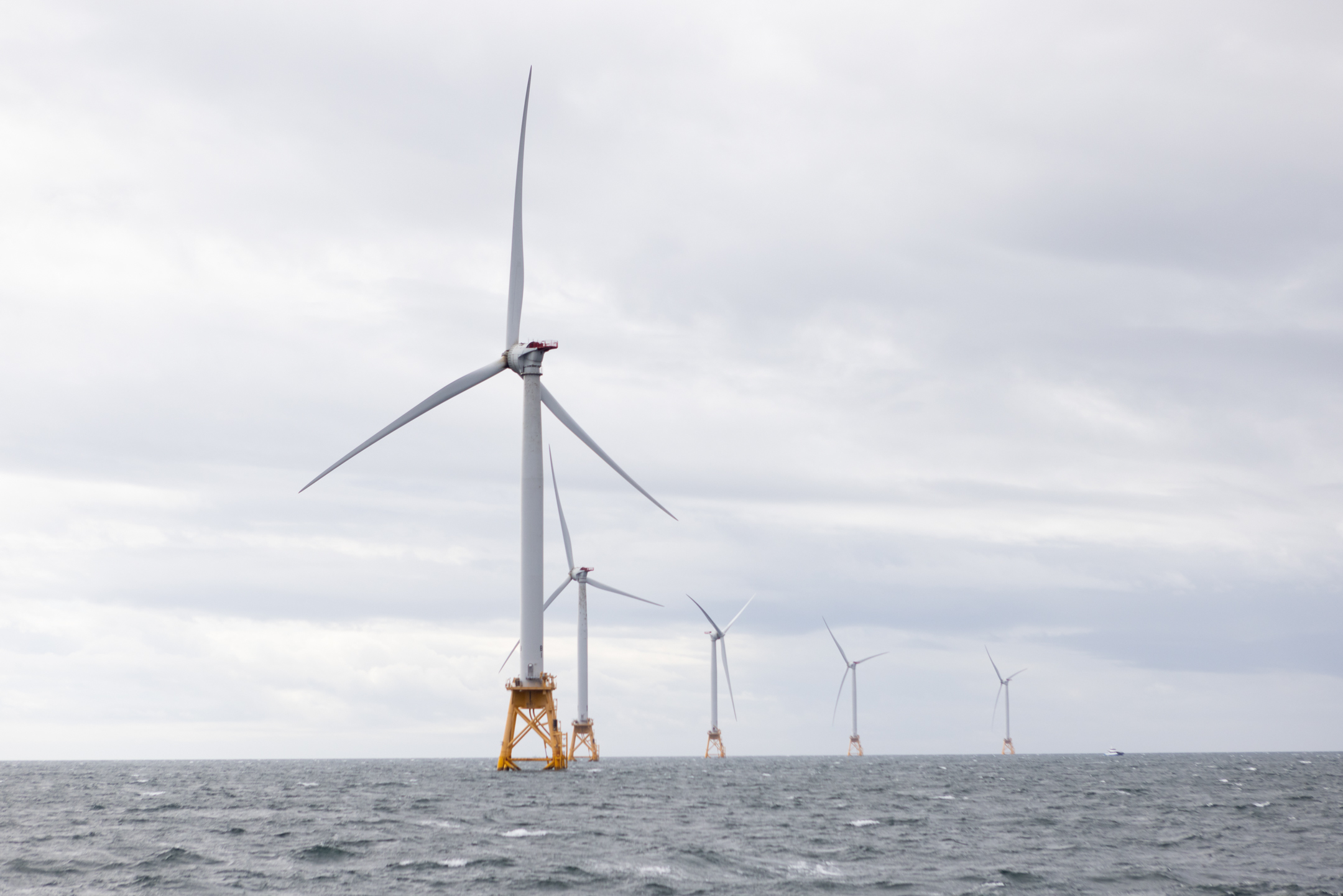
Offshore wind is strategically located near population centers.
Roughly 30% of Americans live within 100 miles of the coast. This makes offshore wind a great source for local and reliable energy.
- Offshore wind keeps costs low over time. It locks in stable prices and shields consumers from fossil fuel price swings.
- It works with coastal economies like fishing, boating, and tourism, while delivering clean power close to where demand is highest.
- It’s a safe, reliable resource with the potential to exceed U.S. energy needs
%20copy.jpeg)
Solar is America’s fastest growing source of electricity.
Year after year, it adds more new generating capacity to the grid than any other technology.
- Solar integrates easily with farmland. It boosts farm income and could provide 45% of U.S. power uses only 1% of farmland.
- It is one of the cheapest, and quickest energy sources to get set up. Store lets it save energy to use beyond daylight hours.
- It supports hundreds of thousands of American jobs, major investment in rural communities, and new income opportunities for farmers.
.jpg)
Energy storage is essential to a reliable, affordable grid.
As demand grows, energy storage is meeting the moment. There is already enough capacity to power tens of millions of American homes.
- Energy storage fixes a key grid problem by saving electricity when supply is high and delivers it when demand rises.
- It makes the grid more reliable and efficient by storing excess wind and solar energy and providing backup power during outages.
- It protects consumers from price spikes by keeping costs low, improving reliability, and making better use of domestic energy.